
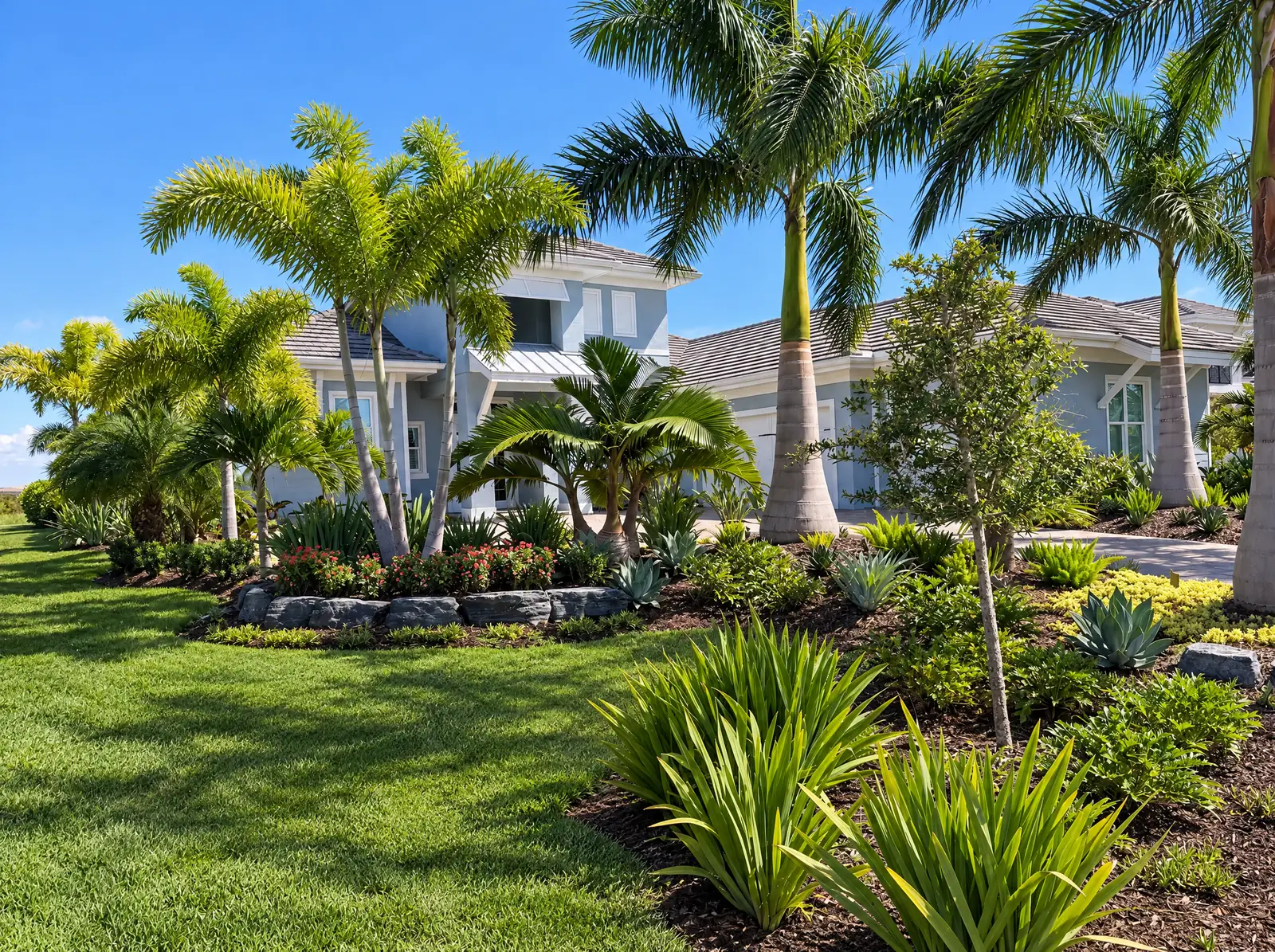
The Atlantic hurricane season runs from June 1 to November 30. A few steps before the season starts can reduce damage to your home and landscape, and make cleanup faster if a storm does hit.
Trim trees before the season, not the day before
Have dead, broken, or weakly attached branches removed early in the year. Trimming right before a storm leaves piles of debris at the curb that may not be collected in time and can become dangerous in high winds.
Prune for strength, not bareness
University of Florida research shows that properly pruned trees are more wind resistant. The same research found that stripping foliage from the inside of a tree, often called thinning, increases the chance of wind damage. Topping a tree, or cutting large sections off the top, causes decay and weak regrowth, so avoid it.
Leave palms full
Do not give palms a “hurricane cut.” Removing green fronds weakens a palm’s ability to withstand wind. Remove only dead fronds. See our palm trimming guide for details.
Clear drains and gutters
Heavy rain needs somewhere to go. Clear gutters, downspouts, catch basins, and drain pipes so water moves away from your home instead of pooling against the foundation.
Secure loose items
Bring in or tie down planters, furniture, decorations, and tools. Anything that can be picked up by wind can damage your home or a neighbor’s.
What to leave to a pro
Some storm prep is not a weekend job. Call a professional for:
- Large limbs, or branches hanging over the roof, driveway, or fence
- Tall palms and trees you would need a ladder to reach
- Removing a dead, leaning, or damaged tree
- Standing water or drainage problems near the house
Branches touching power lines are a job for your utility company. Do not try to trim them yourself.
After the storm
Stay clear of downed power lines and hanging limbs, and photograph any damage for your insurance before cleanup starts. When it is safe, we offer hurricane and storm debris cleanup to get the property back in shape.